The Ground
New Clark City, Tarlac, Philippines · in progress
In Capas, Tarlac, two hours north of Manila, the ground where the Bataan Death March ended is becoming a semiconductor hub.
Camp O'Donnell was the prison camp at the end of the march. Roughly 26,000 Filipino prisoners died there in 1942, and between 1,500 and 6,000 Americans; the sources disagree. After the war it became a United States military base. In April 2026 the Philippines joined Pax Silica, a US-led technology-supply-chain bloc aimed at China, and allocated 1,619 hectares of the former base — now the government's New Clark City development — for an AI and semiconductor manufacturing hub, with Foxconn reported as the anchor tenant. The United States asked for the zone to operate under US law with diplomatic immunity. The Philippines refused.
The memorial to the dead, the Capas National Shrine, is inside the development's boundary.
I was born in the Philippines and emigrated to the United States with my family when I was four, in 1985. For ten years I photographed downtown Los Angeles while working a job I could not bring myself to leave, and in those years I went back to the Philippines to look at people who had made the choice I could not — and found people who had never been offered it. Two books came out of that: Know Not What We May Be and An Evolving Landscape. This project is what they were leading to.
I want to photograph New Clark City before it is built, and then while it is built. The shrine and the hub in one frame. The farmers on the agricultural land being converted, and where they go. The workers who will build it, and where they are housed. The commemoration at the shrine each April, on ground that is about to change beneath it. Construction is not expected before 2028. The before exists now, and will not for long.
The project has a second ground. In Maine, where I live now, the state created a Data Center Advisory Council on the same day the legislature sustained the governor's veto of a moratorium. An underwater data center is proposed for Passamaquoddy Bay, and the town of Eastport has banned it. Public testimony warns that projects will be steered toward the unorganized territories, which is most of the county I live in. The Philippines is the spine of this work. Maine is its mirror — the same industry arriving at the other end of my life.
The two books before this one are about what is claimed about work, set against what work costs the people doing it. This project is that subject again, on ground where the claims are made in a vocabulary built for deniability — sentences that are true as written and answer narrower questions than the ones being asked. A hub is announced without naming what it will make. Land is described as untitled rather than as unclaimed. I am not setting out to prove that; I am going to photograph the ground and the people on it, and see what the pictures say when they are put in order.
The method is the one in the books: patient, frontal, sequenced in pairs, made from the position of someone who is from this country and not of it.
What the project needs: access to the site beyond its public areas, which the Bases Conversion and Development Authority controls; time on the ground across at least two years; and funding for both. I am in the research phase now, with a first scouting trip planned for 2027.
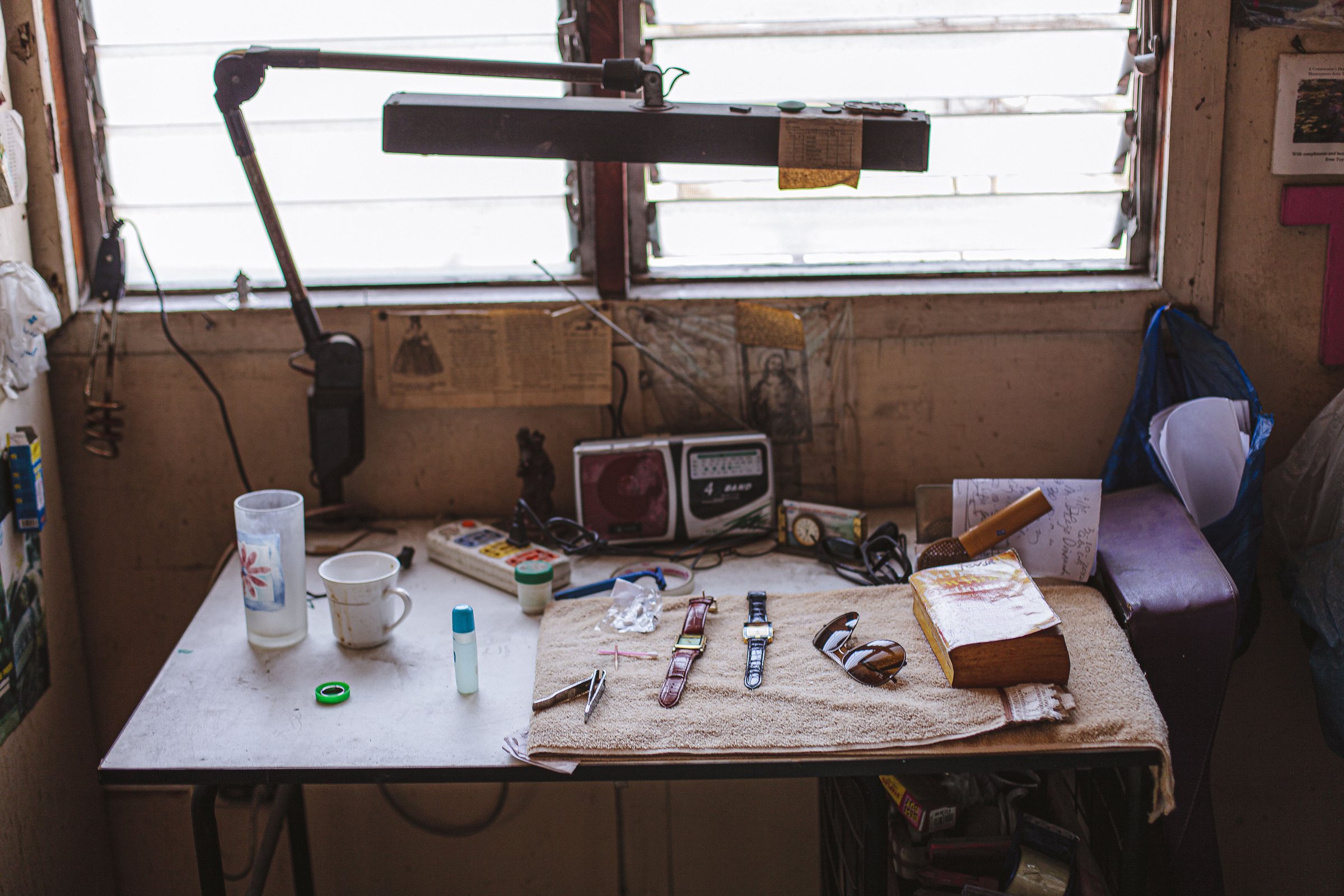
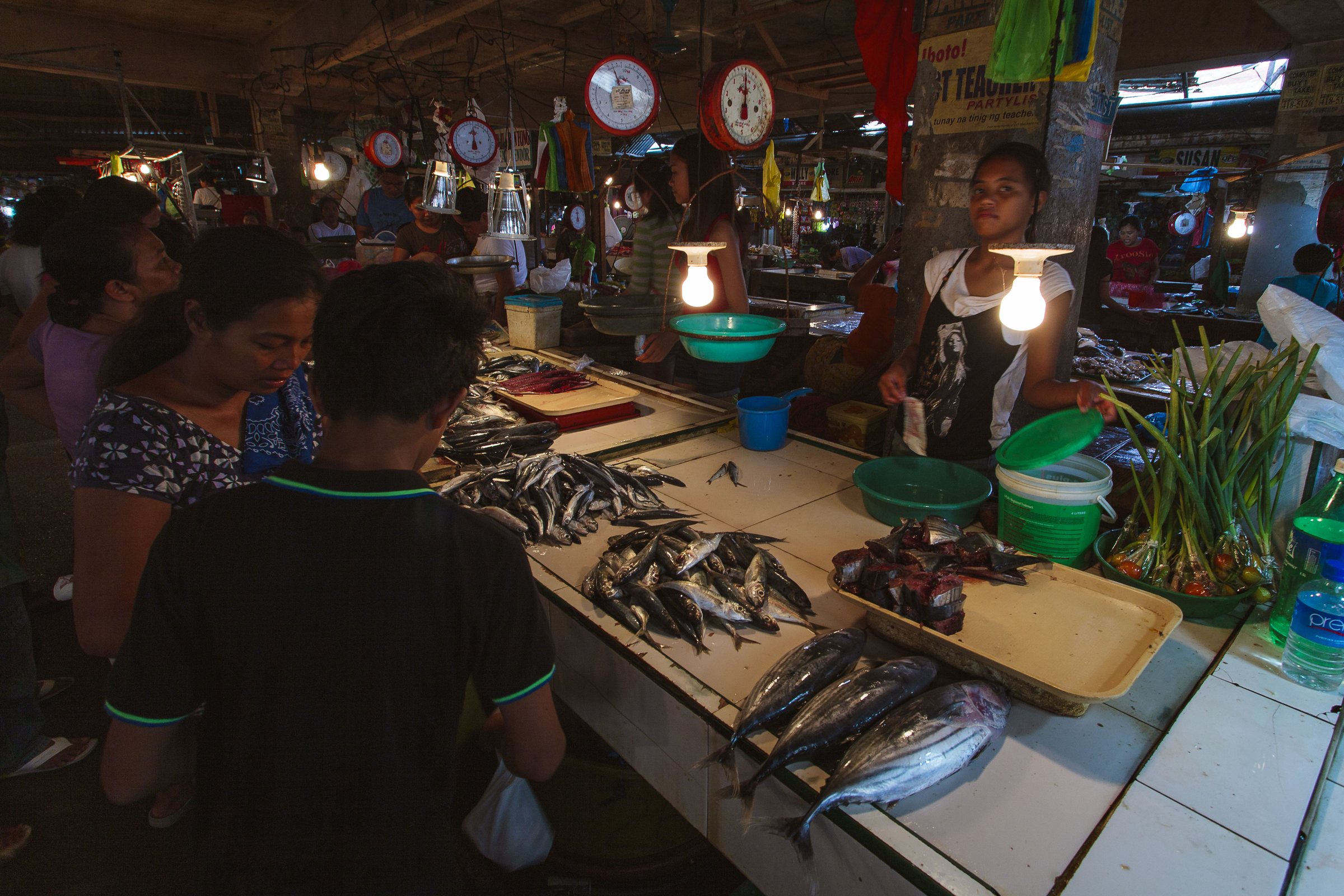
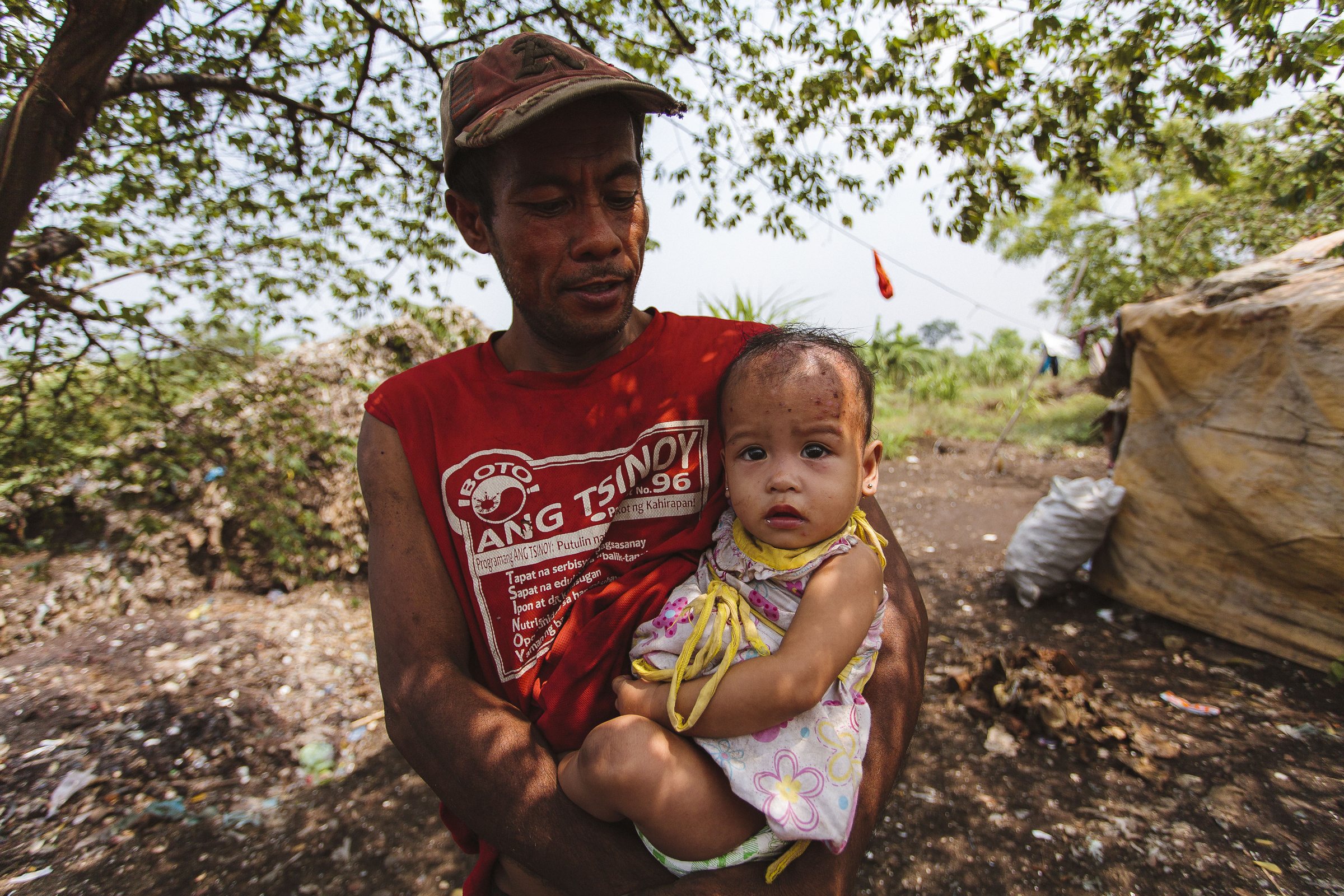
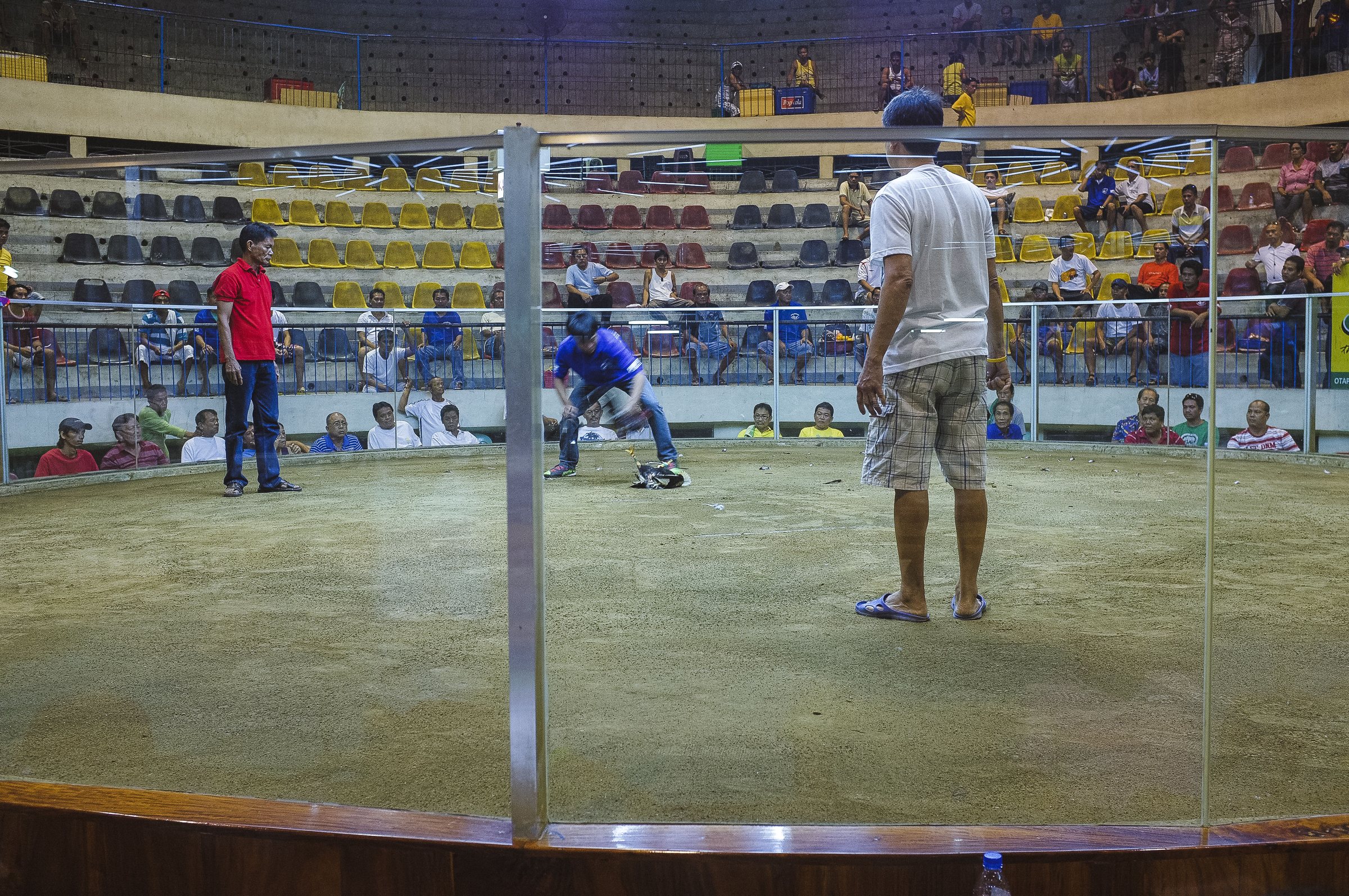
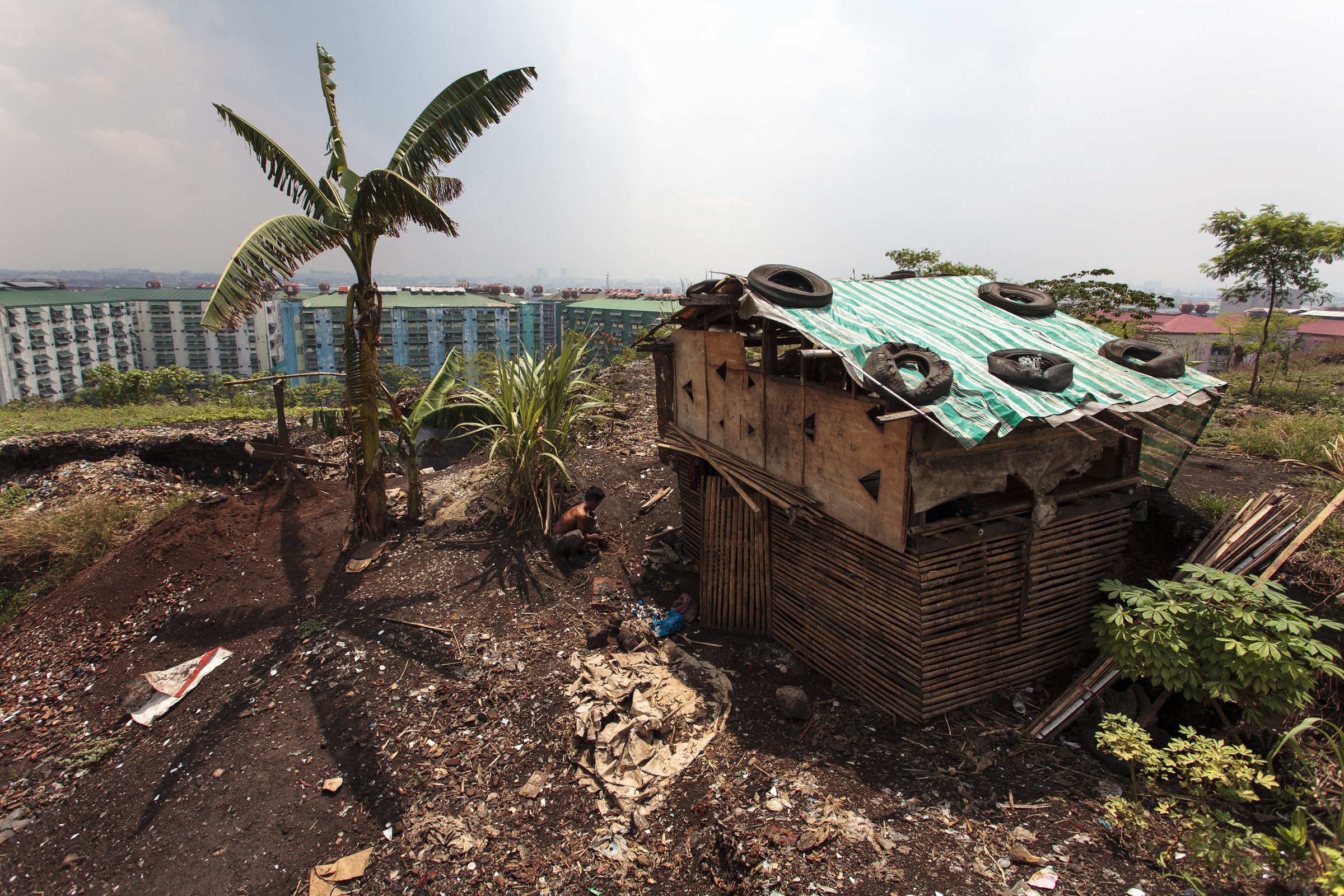
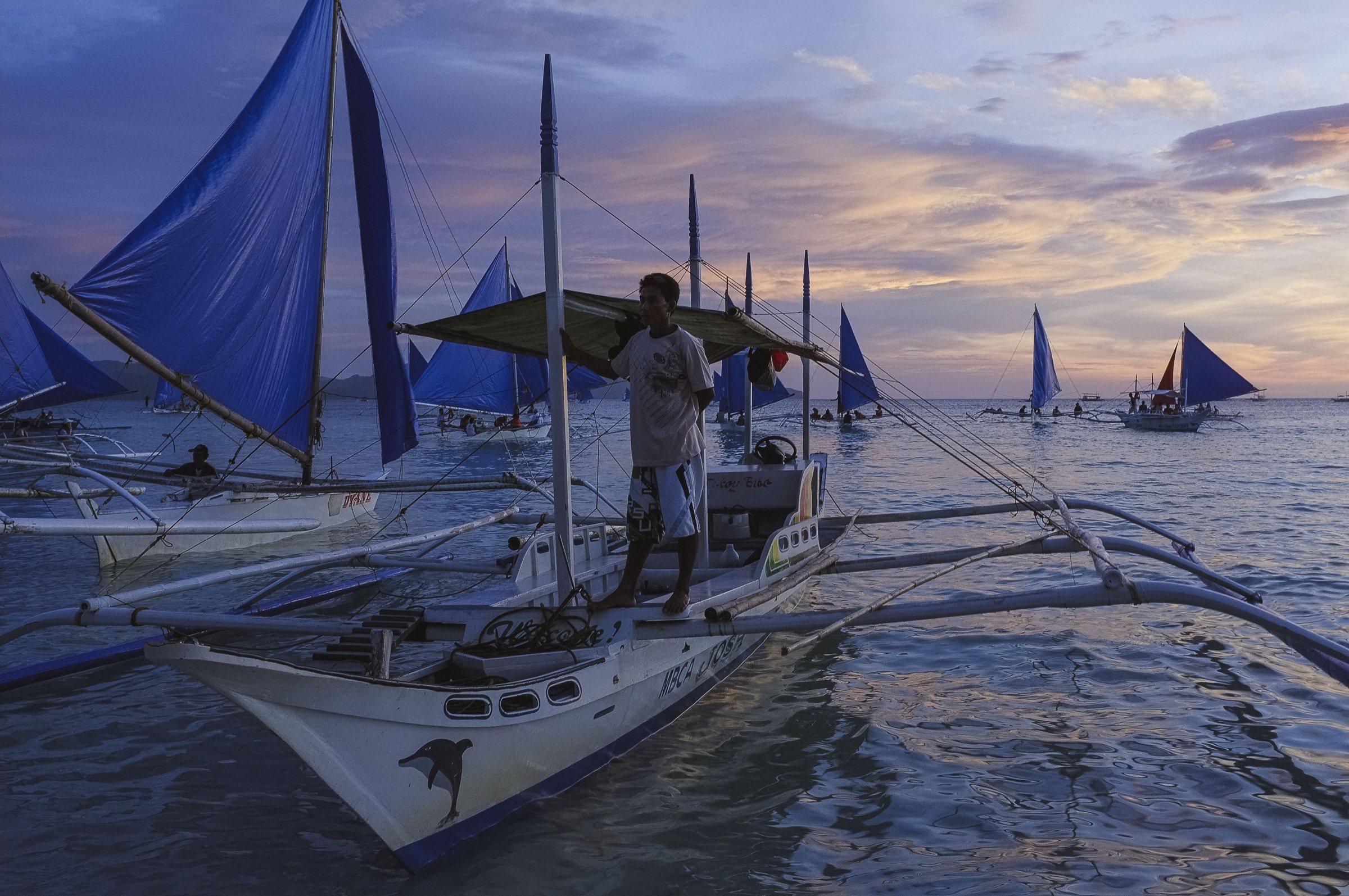
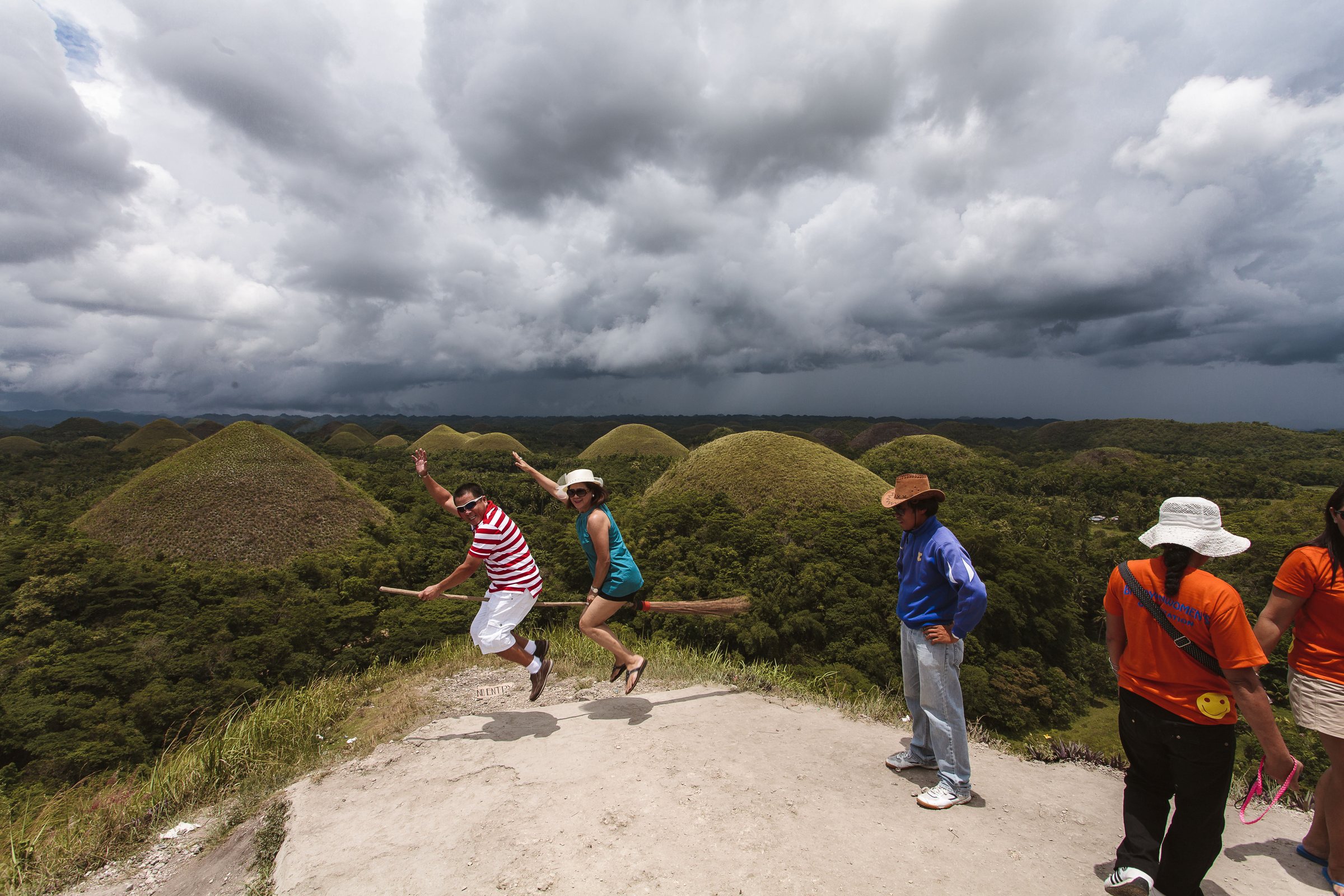
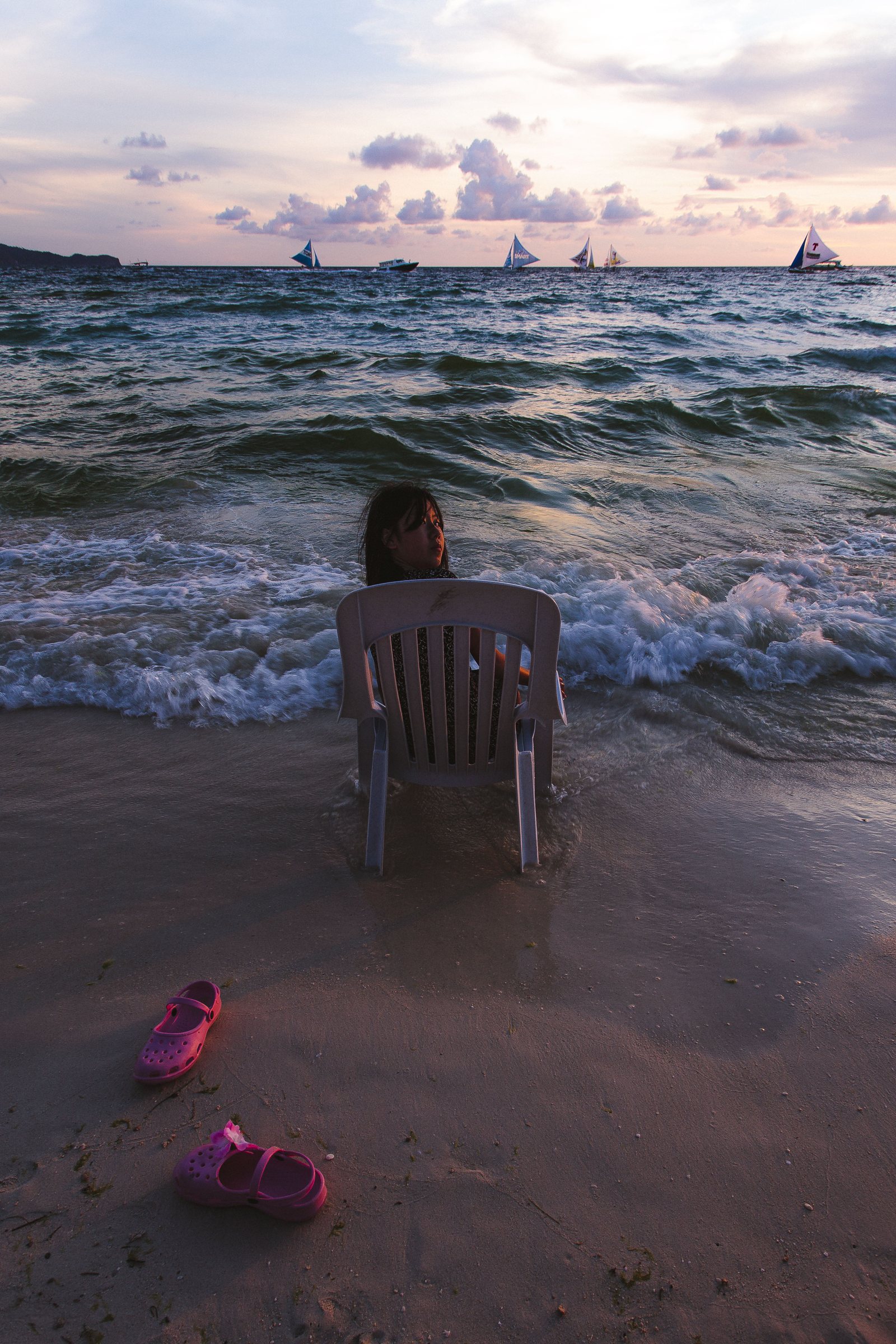
Research phase. First scouting trip 2027. The photographs below are from the Philippines, 2011–2012, and show the ground this project stands on.